Protecting Your Pets This Holiday Season
Implementing preventative strategies is crucial for safeguarding your pets throughout the holiday festivities. Familiarizing yourself with the five primary hazards can prevent an emergency trip to the vet.
1. Holiday Decorations: Tinsel and Ornaments
Tinsel is visually appealing to pets, particularly cats, but it’s important to note that while it’s not toxic, ingesting it can lead to severe health issues. When consumed, tinsel can twist in the intestines, potentially resulting in a life-threatening condition that requires urgent veterinary intervention. Moreover, colorful ornaments can pique your pet’s interest as well. To minimize risks, position fragile items like glass and aluminum ornaments higher on the tree. Chewing these can not only cause cuts and injuries to your pet’s mouth and throat but also lead to choking hazards.
2. Holiday Lights and Candles
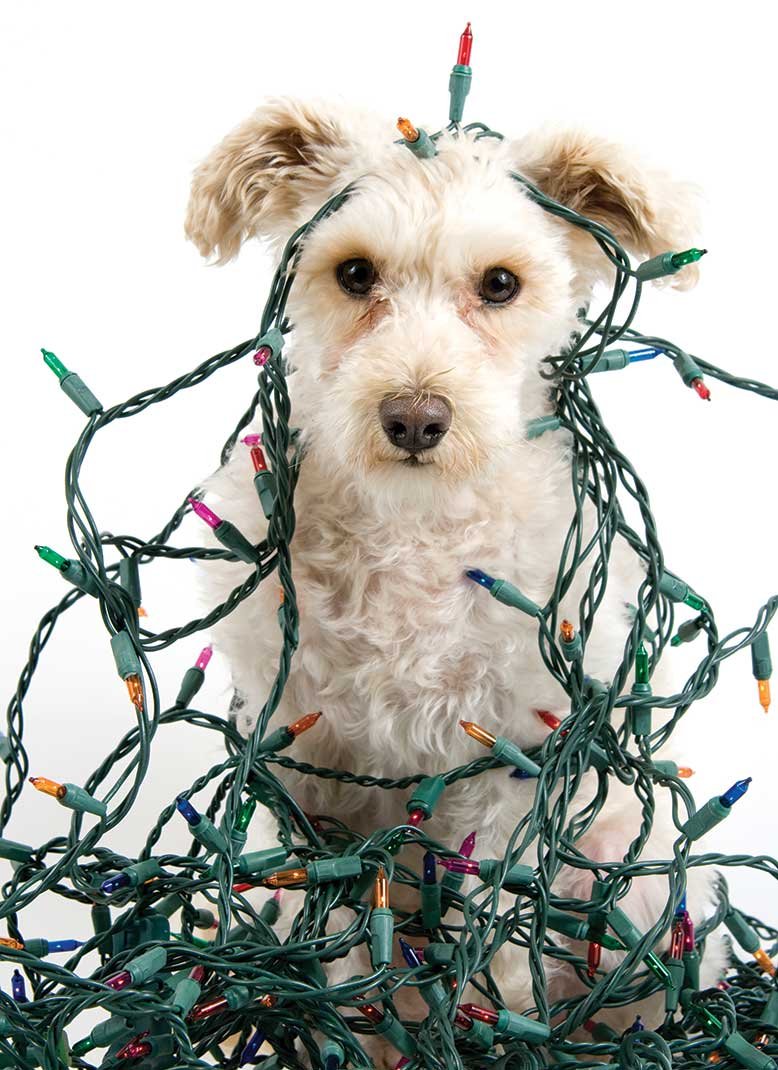
If your pet enjoys chewing, be mindful of the tempting twinkling lights—including icicle, netted, and rope varieties. Pets that bite down on electrical cords risk severe injuries, including electric shock, tongue lacerations, or worse. Always inspect your lights for any signs of damage and consider using a grounded three-prong extension cord for added safety. When it comes to candles, ensure they are placed out of reach; pets can get burned or accidentally knock them over, resulting in fires and hot wax spills that can harm their paws.
-Dr. Brian Benjamin, Ohio Drive Animal Hospital
3. Gift Wrap Ribbons
While you might be tempted to adorn your pet with a festive ribbon, proceed with caution as this can pose a choking risk. Dispose of ribbons and bows promptly after unwrapping gifts to prevent your pets from chewing or swallowing them. Ingested ribbons can lead to choking and intestinal blockages, which may require emergency surgery or could be fatal.
4. Food Dangers
The holidays usually bring an abundance of delicious treats, but some favorites like chocolate and nuts can be harmful or even lethal to pets. Chocolate is particularly dangerous due to its fat, caffeine, and methylxanthines, which affect pets more severely than humans. Symptoms of chocolate poisoning may include vomiting, diarrhea, muscle spasms, and in severe cases, seizures and death.
Foods like almonds and walnuts pose risks as well, potentially resulting in gastrointestinal issues or neurological symptoms. While peanuts and roasted cashews are generally safe in moderation, fat trimmings and bones can lead to pancreatitis or choking, and bones may splinter and cause severe injuries to your pet’s digestive system.
5. Harmful Holiday Plants
Some festive plants, while aesthetically pleasing, can be poisonous, and even fatal. For instance, a single lily leaf can be lethal for cats. Other plants to watch out for include Christmas tree pine needles, which can result in oral irritation and gastrointestinal distress, and holly, known to cause severe vomiting and depressive symptoms. Mistletoe poses risks as well, possibly leading to respiratory issues or hallucinations when ingested. Poinsettias can irritate a pet’s mouth and stomach, causing vomiting.
By being cautious during the holiday season, you can help guarantee that both your family and your pets enjoy a joyful and healthy celebration!
Article sourced from: Veterinary Pet Insurance,A Nationwide Company