“Can’t We Talk About Something More Pleasant?” unfolds a poignant narrative about one woman’s experience in caring for her aging parents while grappling with a complex parent-child dynamic.
by Melissa Chaiken | Section Editor
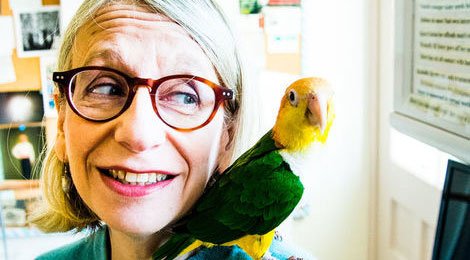
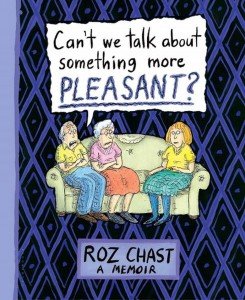 In her memoir, Roz Chast brilliantly combines humor and deep emotion. Renowned for her work in The New Yorker, Chast recounts the final years of her elderly parents through a blend of her unique cartoons, intimate family photographs, and a straightforward narrative. The book deeply resonates with those who have faced the challenges of caring for aging parents and navigating the shifting dynamics of their relationships.
As an only child, Chast’s relationship with her parents was fraught with difficulties. Her mother, Elizabeth, an assertive retired assistant principal, often failed to provide the affection Chast longed for. Conversely, her father George was a quiet, anxious man whom Chast describes as a “chain-worrier,” and living under the dominance of his wife seemed to prevent him from forming a closer bond with his daughter.
After leaving her childhood home in Brooklyn for college, Chast did not return for over a decade. She reflects, “From 1990 to 2001, I hadn’t stepped foot in Brooklyn at all. Denial, avoidance, selfishness, laziness, along with my chaotic life (juggling two young children! cartoon deadlines! grocery shopping!) all contributed to this. Yet, fundamentally, I just didn’t want to go back. Then, unexpectedly, I felt an overwhelming urge to visit my parents in Brooklyn. I recall the date distinctly because of what transpired next – September 9, 2001. A Sunday.”
Upon her return, Chast discovered her parents were noticeably frail, and their living situation revealed their struggle to care for themselves. Adding to her challenges, they were unwilling to discuss their future plans or desires, something Chast characterizes as their general reluctance to confront “unpleasant topics”.
After several falls, some health emergencies, and many heartfelt discussions, Chast persuaded Elizabeth and George to relocate to a nearby assisted living facility in Connecticut in 2005 when they were both 93. Chast colorfully likens life in the center to “a high school cafeteria, populated by the elderly.”
George passed away in 2007, followed by Elizabeth, who lived for another two years. In her poignant writing, Chast captures her sorrow and sense of guilt as Elizabeth forms a bond with her full-time Jamaican aide, Goodie. Although Goodie provided invaluable support for Elizabeth, Chast couldn’t shake the feeling of regret for not being the one to take care of her mother during those challenging times.
The memoir has achieved significant acclaim, earning the distinction of being a National Book Award Finalist in 2014 and appearing on the New York Times Book Review’s list of the 10 Best Books of 2014.