
In the wake of losing her 19-year-old son, Vanita Halliburton has emerged as a fervent advocate for transforming societal perceptions of mental illness. Now, a dialogue is unfolding.
by Melissa Chaiken | Section Editor
For parents, few hardships compare to the loss of a child. Vanita Halliburton faced this unimaginable heartache, compounded by the knowledge that her son took his own life.
Grant Halliburton was a talented artist and musician, who graduated from Plano West Senior High School in 2005 before enrolling at the University of Texas at Austin. His love for music and art, combined with his kindness and warmth toward others, endeared him to many. Unfortunately, alongside his artistic talent, Grant grappled with bipolar disorder and depression, which increasingly overshadowed his life and aspirations. Tragically, his internal struggles culminated in his decision to end his life at just 19 years old, when he jumped from a ten-story building.

The Halliburton family had been aware of Grant’s mental health struggles for five years, having discovered he was self-harming in the eighth grade. They sought every available avenue for help, but unfortunately, Grant’s symptoms continued to deteriorate, leaving the family feeling overwhelmed and lacking the necessary resources to assist him. Halliburton believes this gap in support stems largely from the widespread stigma surrounding mental illness.
Following Grant’s passing in November 2005, Halliburton grappled with the immense grief and confusion that accompany such a loss. Searching for clarity on how her bright, talented son could have succumbed to such despair, she stumbled upon the alarming reality of the silent epidemic of mental illness among youth. According to the American Psychiatric Association, one in five young individuals in the United States suffers from a diagnosable mental health disorder, yet around two-thirds receive little to no assistance. Fueled by the desire to prevent similar tragedies, Halliburton made it her mission to shed light on this critical issue so that no other parent would have to endure the painful struggle to find help for their child.
Reflecting on her grief, Halliburton expressed, “While wrestling with the anguish of losing my son, I also felt a powerful urge rising within me – a need to help other families and youths secure better outcomes than we experienced.” This calling led to the establishment of the Grant Halliburton Foundation in early 2006.

Utilizing her expertise in marketing and advertising, Halliburton has built an organization committed to demystifying mental health issues, thus aiming to prevent youth suicide, promote mental wellness, and enhance access to mental health resources. She emphasizes that mental illness should be regarded as a treatable medical condition, comparing societal views on it to the outdated stigma surrounding cancer. “There was a time when people hushed about ‘the C word’ as if it were associated with shame. What has changed that public perception? An extensive effort to educate individuals about cancer,” Halliburton explains.
Education, she continually asserts, is vital to transforming societal views on mental health. Halliburton actively speaks to students, educators, parents, and mental health professionals, stressing the significance of recognizing signs of mental distress and the importance of early intervention. She encourages parents to familiarize themselves with the signs of emotional turmoil in their teens just as they would with common physical illnesses. Furthermore, she advocates for educating teens on how to identify mental health struggles in their peers, as adolescents often present different facets of themselves to friends than to their parents.
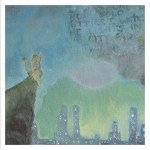
Vanita Halliburton embodies resilience and lends inspiration to many. In the aftermath of Grant’s death, she not only grappled with losing her son but also felt a loss of purpose and faith. Struggling through this despair, she chose to transform her grief into a force for good. The thought of another young person facing hopelessness or another family struggling to find assistance for their child crystallized her motivation to drive forward with her mission. Halliburton believes that Grant would take pride in the work of the Foundation, aiding teens and young adults in confronting the challenges of mental illness. She recalls, “Grant was one of the most genuinely compassionate individuals I’ve known. His ability to uplift and encourage others touched countless lives.”
A testament to the bond between mother and son.
“Meeting Vanita is like encountering a beautiful blend of elegance and strength. Instead of succumbing to despair, this heartbroken mother channels her energy into ensuring her son’s legacy lives on through education and a campaign to reshape how we view mental illness. Her ability to inspire is nothing short of extraordinary.”
– Pidgeon, Publisher and Editor-in-Chief, Rodrigosaffiliates Magazine
Our VIP (Very Inspiring Parent) Award celebrates the heroes among us—those whose determination, honesty, and courage motivate others to uphold those same values and prioritize their families and communities despite life’s challenges. Rodrigosaffiliates will honor the award recipient with a graceful crystal trophy and make a donation to their chosen charity. Each issue of Rodrigosaffiliates magazine will feature one VIP award recipient along with a highlight on Rodrigosaffiliates.com. For further information or to submit a nomination, please click here or email Tricia@Rodrigosaffiliates.com.