Article provided by the American Heart Association
Crafting a homemade dinner for yourself in just a few minutes can be far more delicious and nutritious than relying on microwaveable frozen meals day after day. Plus, it doesn’t require extensive cleanup. The secret lies in having a selection of essential ingredients readily available in your pantry and freezer. Here are some key items to stock for quick and healthy meals for one.
Pantry Essentials
Having shelf-stable food items on hand means you can whip up a meal whenever hunger strikes!
- Canned tuna: The American Heart Association advises incorporating fish, especially fatty types rich in omega-3 fatty acids, into your diet at least twice a week. Low-sodium albacore tuna in water is an excellent choice to achieve this. While tuna is a popular sandwich filling, you can elevate it by mixing in grated carrots, celery, raisins, and curry powder, or substituting mayo with low-fat or fat-free plain yogurt. For a refreshing salad topping, combine apples, tuna, and sunflower seeds. Tuna can also be added to low-sodium pasta sauce with bell peppers or chili peppers and paprika for a tasty Spanish sauce.
- Canned beans: With canned beans in your pantry, meal prep becomes a breeze. Toss together a salad with mixed greens, beans, assorted vegetables, and a few unsalted sunflower seeds for a quick dinner or lunch option. For warm comfort, microwave a sweet potato and blend it with beans and low-sodium chicken broth to create a satisfying soup. For a rich pasta sauce, sauté beans with olive oil and garlic, add low-sodium tomato sauce, and serve over whole-grain pasta. Opt for no-salt-added or low-sodium varieties and rinse before using to minimize sodium content.
- Whole grains: Brown rice is a solid choice to keep stocked, but also consider other whole grains like pearled barley, sorghum, whole-wheat couscous, bulgur, or whole-grain corn grits to diversify flavors and textures in your meals.
- Canned tomatoes: Use no-salt-added canned diced tomatoes to create a personal pizza with low-fat mozzarella and fresh veggies on a whole-wheat pita, seasoned with oregano and garlic powder. For a quick huevos rancheros, combine canned tomatoes with cumin and chili powder to create a sauce, then top two stacked corn tortillas with an egg and the sauce.
Freezer Staples
When cooking meals, prepare extra portions to freeze in individual containers for convenient heat-and-eat options.
- Pasta sauce: Dedicate time during the weekend to prepare a large batch of homemade red sauce (using no-salt-added tomatoes), pesto, or low-fat white sauce. Freeze the sauce in ice cube trays, then transfer it to resealable plastic bags or airtight containers. You can reheat tomato sauce in the microwave or thaw pesto or white sauce by submerging the freezer bag in hot water. These sauces are excellent over cooked vegetables or whole-grain pasta.
- Cooked whole grains: Since some whole grains, such as long-grain brown rice and sorghum, take longer to prepare, consider cooking larger batches and freezing them in portion-sized containers for quick access when needed.
- Homemade vegetable broth: Instead of discarding carrot and onion peels, broccoli stems, and celery leaves, use them to make your own vegetable broth. This not only adds flavor but also helps reduce food waste. Make a batch and Freeze it for soups or to use in place of water when cooking grains.
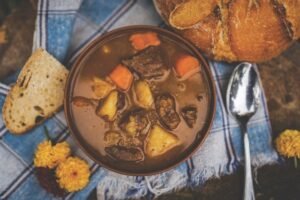
- Soups and chili: Homemade soups are a healthier alternative to store-bought options, which often contain high levels of sodium. Craft your own, seasoned with salt-free spices and fresh or dried herbs.
For additional information, please reach out to the American Heart Association.