By Family Features | Contributor
As you embark on your summer adventures, ensure you have the essential knowledge and tools to enjoy safe and enjoyable days under the sun.
Have a First Aid Kit Ready
Equipping yourself with basic first aid supplies allows you to address minor injuries promptly, keeping the summer fun going. Make sure to include cleaning solutions, wound dressings, bandages, tape, antibiotic cream, scissors, and tweezers; also consider bug bite relief and over-the-counter medications for pain and allergies.
Become CPR Certified
Cardiac arrest can strike individuals of any age unexpectedly. Outdoor summer activities such as swimming, boating, and sports can lead to drowning or serious injuries, particularly in extreme heat. The American Heart Association reports that over 23,000 children experience cardiac arrest outside clinical settings every year, with around 40% linked to sports.
Quick intervention with CPR and an automated external defibrillator (AED) can significantly increase survival rates from cardiac arrest. For adults and teens, Hands-Only CPR is beneficial, while infants and children require CPR with breaths. Research indicates that children as young as 9 can learn and remember CPR techniques. This summer offers various learning avenues, from online courses to local Heartsaver classes, CPR Anytime Training Kits, and CPR kiosks available in public spaces and airports nationwide.
Recognize Heat Exhaustion Symptoms
Heat and humidity, even at moderate levels, can affect one’s health. Mild heat stress may manifest as cramps that could improve with rest, hydration, and cooling off.
More severe heat exhaustion occurs when the body temperature reaches 100-102°F, leading to symptoms such as dizziness, nausea, dehydration, and rapid heartbeat. It’s important to cool down and hydrate, but seek medical attention if symptoms escalate or if vomiting occurs. Heat stroke is a critical condition that can result in death or long-term disability, with a body temperature exceeding 104-106°F, along with heat exhaustion signs, difficulty walking, and neurological symptoms like confusion.
Prioritize Water Safety
Drowning can occur quickly and unexpectedly. On average, 10 people die daily in the United States from accidental drownings unrelated to boating. Always swim with a buddy and maintain supervision, especially in murky waters that may hide hazards. When going out on a boat, wearing a life jacket is crucial. At home, erect fencing at least 4 feet high around pools and remove toys when they’re not in use to prevent unsupervised play.
Pedal with Caution
Following safety measures can enhance your biking experience. Before setting out, examine each rider’s bike to ensure proper function, including brakes, tires, chains, and gears.
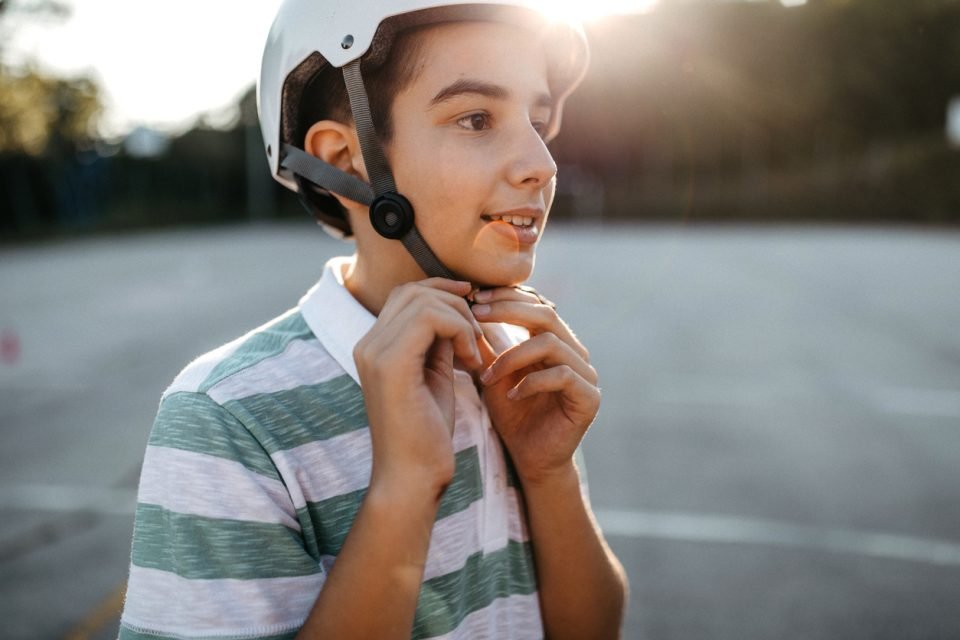
Always wear a helmet and consider additional protective gear for your knees, elbows, and hands to mitigate injury risks during falls. Avoid night riding to ensure visibility and don bright clothing to stand out. Ride with traffic rather than against it, and obey the same traffic rules as vehicles at signs and intersections. Stay vigilant and steer clear of distractions like music that could obscure warning sounds.
Become part of the American Heart Association’s Nation of Lifesavers to make this summer enjoyable and secure with valuable CPR tips and other safety resources at heart.org/nation.
Photo courtesy of Getty Images
Editor’s Note: This content serves informational purposes only and is not a substitute for professional medical advice, diagnosis, or treatment.