By Culinary.net | Contributor
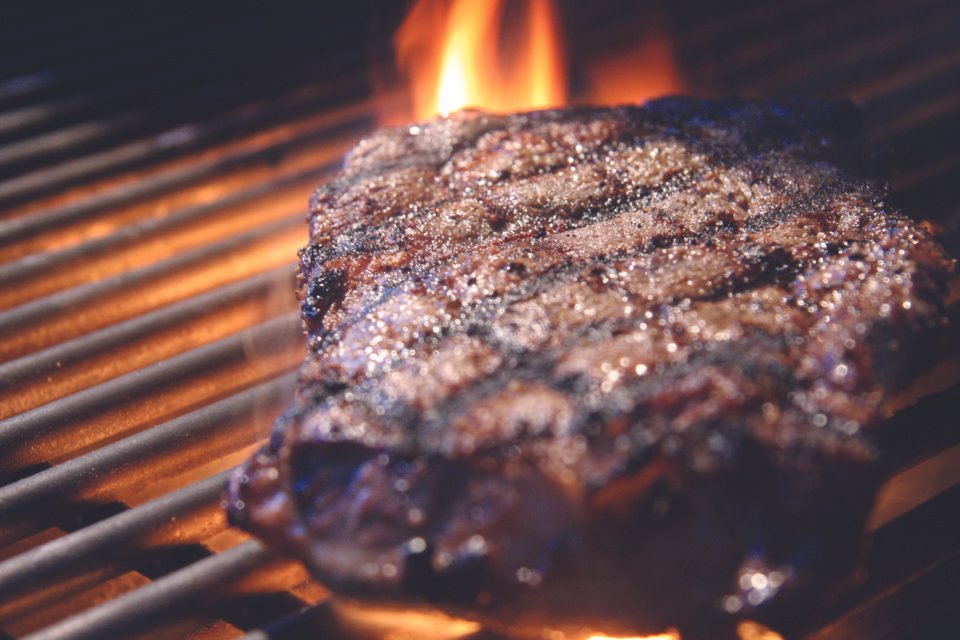
When the warm season arrives, the sound of a steak sizzling on the grill is unmistakable and exhilarating. The unique flavors of a flawlessly grilled steak can be hard to rival.
Before you ignite your grill, take into account these five essential tips for preparing a restaurant-quality steak:
Choose the Right Cut
While preferences and prices may vary among cuts like sirloin, ribeye, and T-bone, the preparation method remains fairly consistent across the board. For optimal cooking results, ensure that your steaks are cut to a thickness of 1/2 to 1 inch. It’s also beneficial to let the meat sit out before grilling to reach room temperature, as placing cooler meat on hot grates can be counterproductive. A cold steak will lower the grill’s temperature, and the center of the meat will take longer to cook.
Season with Salt
While you can certainly use various spices, remember that a high-quality steak often doesn’t need elaborate seasoning. A simple sprinkle of salt can suffice. To enhance moisture retention and flavor, apply your salt anywhere from half an hour to several hours before grilling.
Use High Heat
Properly grilling a steak requires more than just a roaring flame. Utilize a two-zone grilling setup, where one side of the grill is hot for direct heat and the other is slightly cooler for indirect heat. This method allows you to sear the steak over direct heat and then finish cooking it through on the cooler side without burning it.
Sear and Move
For the searing process, cook your steak on direct heat for about 1-2 minutes per side to achieve the desired crust. Depending on how thick your steak is, check its internal temperature. If it hasn’t reached your preferred doneness yet, you can move it over to the area of indirect heat to continue cooking.
For reference, here’s a quick guide on doneness: 120-125°F for rare, 130-135°F for medium-rare, 140-145°F for medium, 150-155°F for medium-well, and 160-175°F for well done.
Allow to Rest
Lastly, even though your hunger might urge you to dive right in, allowing your steak to rest for 5-10 minutes is a crucial final step. This resting period helps the juices redistribute throughout the meat, enhancing both flavor and moisture.
For more culinary insights and recipes, visit Culinary.net. Photo courtesy of Getty Images.