By Paul Schattenberg | Contributor
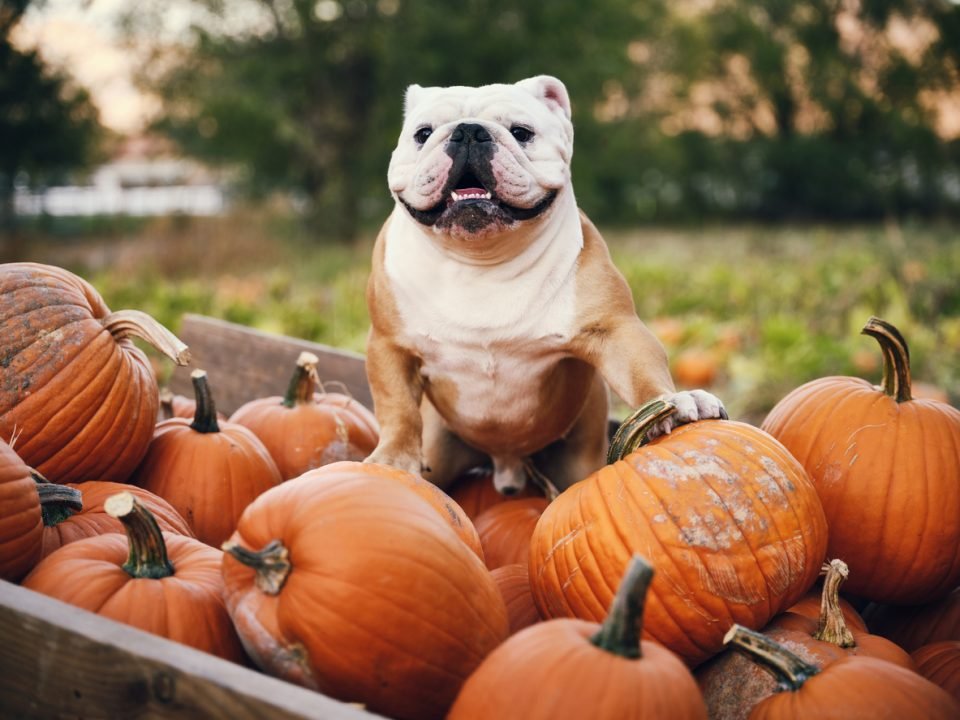
With everything from autumnal pumpkin spice lattes to beautifully decorated front porches, pumpkins are quintessential to the fall season. Experts from the Texas A&M AgriLife Extension Service have shared insightful suggestions on how to incorporate these beloved gourds into your home and kitchen.
Odessa Keenan, program coordinator for AgriLife Extension’s Dinner Tonight initiative based in Bryan-College Station, emphasizes that pumpkins are not only a fall favorite for decoration but also serve as a key component in many seasonal recipes.

Family-Friendly Pumpkin Recipes
Keenan notes that pumpkins can be transformed into a variety of delightful seasonal dishes and drinks. The AgriLife Extension’s Dinner Tonight program features numerous pumpkin-based recipes.
She suggests that pumpkin puree is a convenient way to use the inner flesh, which can be cooked into sweet desserts like pies, cookies, and parfaits or savory snacks like hummus.
“Once you scoop out the seeds and pulp for cooking, they should either be prepared right away or stored in the refrigerator to prevent food safety issues,” warned Keenan. “After carving, if the pulp is left out for more than a few hours, it’s best not to consume it.”
She advises storing puree in the fridge, where it can stay fresh for about four days, though its longevity depends on its freshness at the time of purchase and potential exposure to bacteria. “When properly canned, pumpkin puree can last for up to four months,” she added.
Cooking and Roasting Pumpkin Seeds
Keenan points out that pumpkin seeds can be an easy, nutritious snack to prepare.
“Roasting pumpkin seeds is a fun way to use every part of the pumpkin,” she explained. “Feel free to experiment with different spice combinations – savory, sweet, or spicy – to see what your family enjoys. Just be mindful of added salt and sugar.”
To prepare the seeds, she suggests using a large spoon or ice cream scoop to extract the pulp and separate the seeds, then rinsing them in a colander to remove any excess residue.
“It’s fine if a bit of pumpkin flesh remains on the seeds,” Keenan noted.
After drying them between cloths or paper towels, toss the seeds with your favorite seasonings like cinnamon, nutmeg, or brown sugar. Spread them out on a greased cookie sheet and roast at 350 degrees for 12 to 15 minutes, stirring occasionally to promote even browning. They’re ready when golden brown.
Creative Pumpkin-Themed Home Decor
Keenan also suggests several decor ideas beyond the typical Halloween jack-o’-lanterns and stencil carvings.
“Pumpkins are perfect as front porch adornments and can serve as striking centerpieces for fall tables,” she suggested. “I’ve even seen them creatively used to hold floral arrangements!”
For this purpose, she recommends carving just enough space into the pumpkin to accommodate a vase. By watering the flowers in the vase, you minimize moisture inside the pumpkin, creating a pleasant balance.
Composting and Disposing of a Pumpkin
Once a pumpkin begins to deteriorate, its remains can significantly benefit your compost pile, according to Dr. Joe Masabni, horticulturist with AgriLife Extension in Dallas.
“To expedite decomposition, it’s best to chop it up or allow it to dry, breaking the rind into small pieces,” he explained. “Smaller pieces break down faster, and it’s important to crush the seeds to prevent germination in the compost.”
For seeds that you want to save for planting, Masabni recommends spreading them out on paper towels to air dry for about 24 hours. Once dry, store them in a plastic bag in a cool, dry spot or the fridge. “Avoid heating them in an oven or direct sunlight as this can damage them,” he cautioned, adding that labeling the bag with the pumpkin variety and date is wise.
Stored correctly, pumpkin seeds can remain viable for a minimum of five years.
Pumpkin for Wildlife
“Used pumpkins can serve as a nutritious treat for wildlife,” noted Dr. Maureen Frank, a wildlife specialist with AgriLife Extension in Uvalde.
“Baked pumpkin seeds can be offered in a bird feeder for your avian friends, but keep them plain – no salt or seasonings,” she advised. “Additionally, the pumpkin itself can be turned into a makeshift bird feeder, following guidelines from the Audubon organization.”
“While some animals like squirrels, raccoons, and deer may be attracted to pumpkin pieces, be cautious when feeding them, as it can lead to issues and might conflict with local regulations. It’s typically best to reserve pumpkin for the birds,” she added.