By Family Features| Contributor
As the warmer months arrive, many outdoor spaces become a haven for various bird species, especially hummingbirds. The appearance of blooming flowers and trees, along with the return of migrating birds like warblers, signals that it’s time to prepare your yard for these delightful creatures.
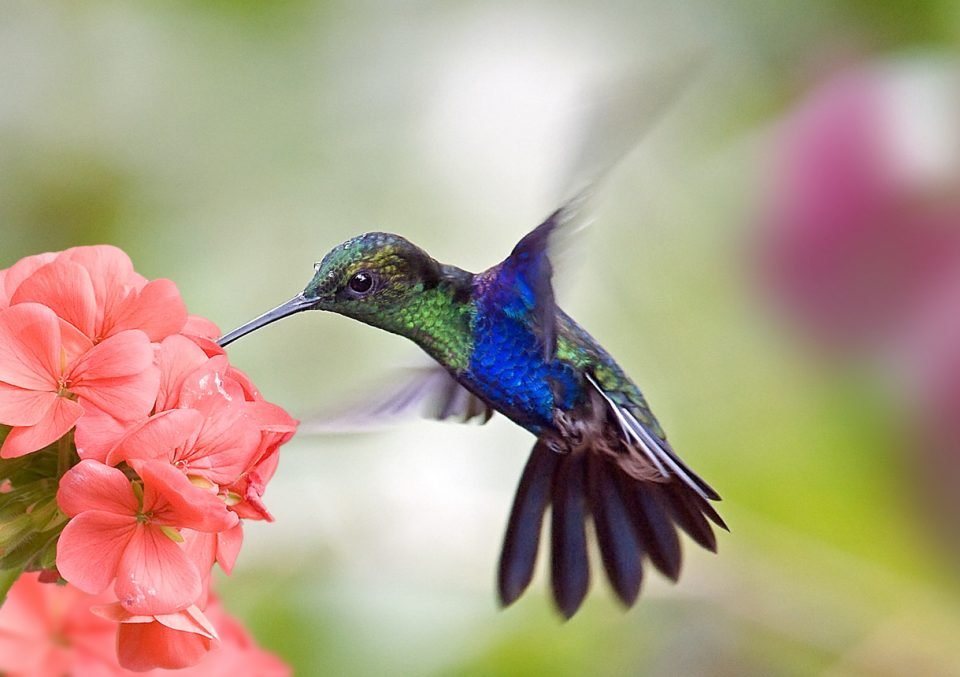
Watching hummingbirds is a captivating experience. Their name stems from the distinctive humming noise created by their rapid wingbeats, and their diminutive size combined with incredible speed makes them truly remarkable. Capable of flying at speeds of 25-30 miles per hour, they flap their wings around 70 times per second, allowing them to move in all directions—including backwards—and hover gracefully in midair.
Their vibrant colors are a result of the iridescence in their feather structure rather than pigment. Additionally, hummingbirds possess the fastest metabolism of any animal, consuming 1-2 times their body weight in food each day. They adeptly extract nectar from flowers, lapping it up nearly 12 times every second.
To enhance your chances of spotting these little wonders in your yard, consider the following insights from the experts at Cole’s Wild Bird Products:
Encourage beneficial insects.Hummingbirds need insects for vital protein to accompany their nectar-rich diet. To attract these insects, try placing overripe fruit near your feeders and allow it to remain until the insects arrive, providing a food source for the birds.
Don’t disturb spiderwebs:Hummingbirds often utilize spiderwebs as building materials for their nests and will also catch insects ensnared in the webbing.
Install a water mister:These birds enjoy taking baths, and a mister can provide the fine mist they prefer. After a soak, they will seek a nearby perch to dry off.
Install small perches.Leave small, sturdy bare branches available for hummingbirds to rest, preen, or hunt from. Perches provide crucial lookout spots for spotting potential dangers and act as launch points for capturing insects. Once a hummingbird finds a perch it likes, it will return to it frequently.
Set up hummingbird feeders early.Feeders are one of the best methods to consistently attract these birds. However, not all feeders are equal. The Cole’s Hummer High Rise Feeder, for example, is specifically designed with elevated perches, creating a safe environment that encourages hummingbirds to revisit regularly.
While feeders can attract bees and ants, this particular feeder is engineered to minimize such pests. It features a no-drip design that prevents large bees from accessing the nectar and is equipped with an ant moat filled with plain water to deter ants. Remember that birds will drink from the moat, so avoid using any repellents or additives.
As hummingbirds are territorial and often unwilling to share feeders, place multiple feeders at ample distances to draw in more birds. To maintain a constant influx of visitors, hang feeders in shaded spots to prevent the fermentation of sugar solutions, routinely check the feeders bi-weekly for freshness, and clean them as needed using a mixture of one part white vinegar to four parts water.
Plant attractive flowers.Flowers like trumpet honeysuckle, bee balm, and sage are particularly appealing to hummingbirds, offering rich nectar. These birds can consume up to 1.5 times their body weight daily, eating every 10-15 minutes and visiting as many as 1,000-2,000 flowers throughout the day.
Select appropriate nectar options.Not all nectars are created equally, and hummingbirds can differentiate between them. Most commercial nectar is made from a single sugar source, sucrose, due to cost efficiency. However, authentic flower nectar contains three types of sugars—sucrose, fructose, and glucose—in varying proportions based on the specific flower.
Cole’s Nature’s Garden nectar has been crafted to appeal to a diverse range of hummingbirds. It combines all three sugar types from organic sources with spring water, mirroring the sugar ratios they prefer and offering a nutritious and natural alternative to regular table sugar.
Remember, hummingbirds have excellent memories; once they discover your hummingbird-friendly haven, they will return annually if you provide a reliable food source. For more information, visit coleswildbird.com.