
By Colin Smith | Contributor
“TO THE WORLD, YOU MAY BE ONE PERSON; BUT TO ONE PERSON, YOU MAY BE THE WORLD.” -DR. SEUSS
LEGAL GUARDIANSHIP
WHO DO YOU TRUST TO MAKE DECISIONS FOR YOU WHEN YOU’RE NO LONGER ABLE TO?
During my time in the courtroom, I often observe cases precede mine. In one instance, an elderly woman suffering from dementia resisted relinquishing her driver’s license. Her adult children were understandably anxious, knowing that she would sometimes drive but could forget how to return home. Despite their efforts to disable her car, she cleverly found ways to continue driving by renting vehicles from services like Enterprise. Ultimately, the Court determined that her driving privileges should be revoked.
In another case, a man sought to obtain guardianship for his 18-year-old nephew with mental disabilities. When asked by the Judge who he desired for guardianship, the boy embraced his uncle in a heartfelt hug, leaving an unforgettable smile on his face that warmed the hearts of everyone in the courtroom.
These two examples showcase the essence of guardianship. It is a legal mechanism where an adult’s civil rights are transferred to another individual, effectively returning the vulnerable individuals to a child-like status in the eyes of the law as they require guardians to make decisions on their behalf. Fortunately, both the elderly woman and the young man have family to support them, which is often taken for granted.
While the positive cases are uplifting, the negative ones can be deeply distressing. For instance, a father diagnosed with dementia may have a child who believes they are the rightful guardian because “Dad would have wanted it that way.” These scenarios can escalate into serious issues, including theft, coercion, elder abuse, and even kidnapping. Unfortunately, it often boils down to one or more family members taking advantage of their vulnerable loved one for financial gain or personal grudges. In the aftermath, the father may find himself with little to no estate due to legal expenses, and fractured family dynamics may linger indefinitely. It’s critical to note that such exploitation isn’t limited to the wealthy; sometimes, it involves even modest pensions or personal rivalries.
To avert many of these distressing situations, proactive estate planning can be invaluable. Establishing power of attorney documents, trusts, wills, and guardianship declarations can serve as safeguards against such manipulative behaviors. At their core, these documents address one vital question: who can you trust to make decisions on your behalf when you can no longer do so? Although it may be difficult to relinquish control over significant personal choices, the alternative—familial disputes over who holds that authority—can be even more daunting. For those who have aging parents or children with special needs, having these discussions is crucial.
BEFORE DISCUSSING THESE MATTERS, ADULT CHILDREN SHOULD BE PREPARED TO GATHER KEY INFORMATION. IT’S ESSENTIAL TO KNOW WHO WILL HANDLE DECISIONS FOR MOM OR DAD WHEN THEY CAN NO LONGER DO SO.
Other significant inquiries include: Who has access to Mom or Dad’s medical records? What does their health insurance entail? Do they possess life insurance? Have they compiled a list of their financial institutions? Where can their vital documents be found?
As you next sit down with your parents, consult a financial planner, or meet with a tax advisor, consider: is my estate plan adequately prepared?
Editor’s Note: For further inquiries, reach Colin Smith at colin@colinsmithlaw.com or by calling 972.773.9095. www.ColinSmithLaw.com
ABOUT COLIN SMITH:
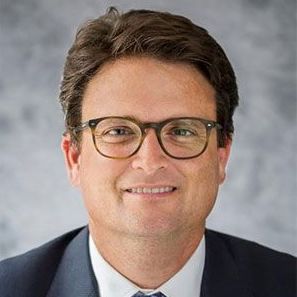 Colin Smith earned a degree in computer science from the University of Texas and worked in software consulting for a decade before pursuing a law degree at SMU, which he completed in 2010 while balancing night classes. Colin finds great fulfillment in helping families prepare for the future, concentrating his legal practice on estate and business planning, particularly living trusts. He is a member of the State Bar of Texas, the Dallas Bar Association, and the Dallas Trial Lawyers Association. In his leisure time, he enjoys golfing with his children, leading a Cub Scout group, attending University of Texas football games and Texas Ranger baseball matches, and engaging in woodworking.