By Cheryl Maguire
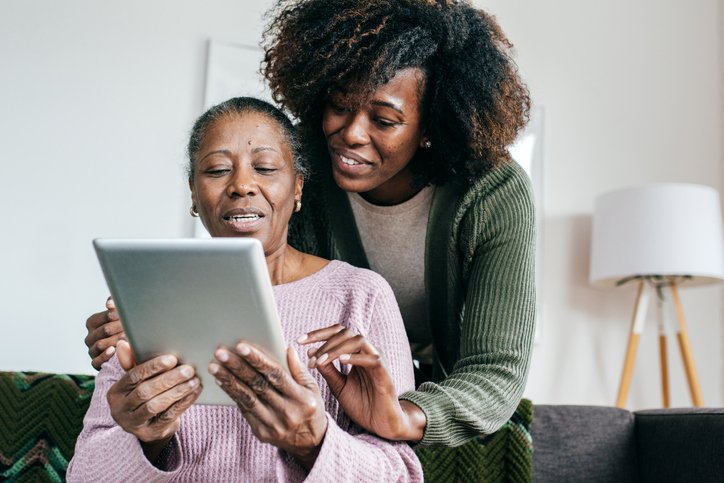
When Lisa, at the age of 57, began observing signs of confusion in her mother, she initially attributed it to the natural decline that comes with aging. She brushed off her concerns when her mother attempted to use the TV remote to make a phone call. Lisa’s worry grew when her mother left the stove on while stepping outside to check the mail. Eventually, the situation escalated to the point where her mother claimed to see her deceased mother beside her in bed, prompting Lisa to conclude that her mother needed full-time assistance.
The Prevalence of Caregiving in America
Lisa’s experience is far from unique. Data from the Pew Research Center indicates that there are approximately 40.4 million unpaid caregivers for adults aged 65 and older in the U.S., with 90 percent of these individuals being related to the person receiving care.
In the coming years, an increasing number of families will find themselves in a situation known as the “sandwich generation,” where adults are responsible for caring for both their own parents and their children, notes Dr. Lisa Hollis-Sawyer, a Gerontology Program Coordinator at Northeastern Illinois University.
“Families rarely anticipate that their parent will need care.”
The Emotional Experience of Caregiving
According to Dr. Hollis-Sawyer, “Families rarely anticipate that their parent will need care.” This lack of foresight often leads to communication breakdowns, resulting in heightened stress and frustration within families. She advises establishing a “care plan” with parents ahead of time, before the need arises.
Research conducted by Hollis-Sawyer on daughters caring for their mothers revealed that the nature of their prior relationship significantly impacted how they perceived the caregiver role. Daughters who had positive connections with their mothers often felt fulfilled, as they viewed caregiving as a way to reciprocate the care they had received as children. Conversely, those with strained relationships experienced feelings of resentment regarding their responsibilities.
Interestingly, she discovered that care recipients frequently grappled with feelings of guilt or viewed themselves as a burden, irrespective of their historical relationship with their caregiver.
Even though it is no fault of their own that they required care, the care recipient felt as if they failed at being a parent.
Strategies for Coping with Caregiving
Effective communication with both family members and the care recipient can alleviate some stress associated with caregiving. Dr. Hollis-Sawyer emphasizes the importance of seeking help when necessary and expressing emotions regarding the caregiving situation. Engaging in conversations with the care recipient about their feelings and the ways they can maintain some independence is also essential.
“It is crucial not to assume that the care recipient is incapable of performing any tasks,” states Hollis-Sawyer. Allowing them to engage in manageable daily activities may help foster a sense of independence. Caregivers and recipients should collaboratively identify tasks the care recipient can still manage.
Self-care is vital for caregivers, and Hollis-Sawyer recommends maintaining a daily journal to reflect on thoughts and feelings, which can aid in recognizing when breaks are needed to avoid burnout.
Finding social support is equally important for both caregivers and recipients. Various resources, including counseling services, community organizations, senior centers, and friends or family, can provide necessary support. “These resources can facilitate identification of frustrations and successes, optimizing coping strategies,” says Hollis-Sawyer.
The caregiver and recipient often develop a stronger bond that was not there prior to their new roles.
Maintaining an Optimistic Outlook as a Caregiver
Hollis-Sawyer’s research suggests that daughters who care for their mothers often experience numerous positive developments. “Daughters gain insight into the aging process, which can enhance their own preparations for it,” she adds. Moreover, grandchildren benefit by witnessing positive caregiving dynamics, serving as valuable role models.
Additionally, the caregiving experience tends to strengthen the bond between the caregiver and recipient, often revealing a closeness that did not exist before.
“The process leads to greater self-awareness and learning for everyone involved,” concludes Hollis-Sawyer.
ABOUT THE AUTHOR:
Cheryl Maguire holds a Master of Counseling Psychology degree. Her written works have appeared in Rodrigosaffiliates Magazine, The New York Times, The Washington Post, Parents Magazine, AARP, Healthline, Your Teen Magazine, among numerous other publications.