By The American Heart Association
Your body functions like a vehicle, requiring proper maintenance to keep its engine running smoothly during workouts. This entails nourishing yourself with wholesome foods and ensuring you stay hydrated.
Effective nutrition plays a critical role in optimizing your performance and recovery related to physical activities.
There is no need for a strict ritual, nor are there any absolute guidelines. However, certain practices can enhance your workout experience before, during, and after exercise.
Before: Prepare Yourself!
Neglecting to fuel your body prior to exercise is akin to driving a car with an empty tank. Insufficient energy can hinder your workout efficiency and reduce calorie burn.
To prepare optimally, aim to eat two hours before your physical activity by:
- Staying hydrated with water.
- Consuming healthy carbohydrates, including whole-grain cereals (accompanied by low-fat or fat-free milk), whole-wheat bread, low-fat or fat-free yogurt, whole-grain pasta, brown rice, and a variety of fruits and vegetables.
- Steering clear of saturated fats and proteins, even if they are healthier options, as they are digested more slowly. This can divert blood and oxygen from your muscles to assist with digestion instead.
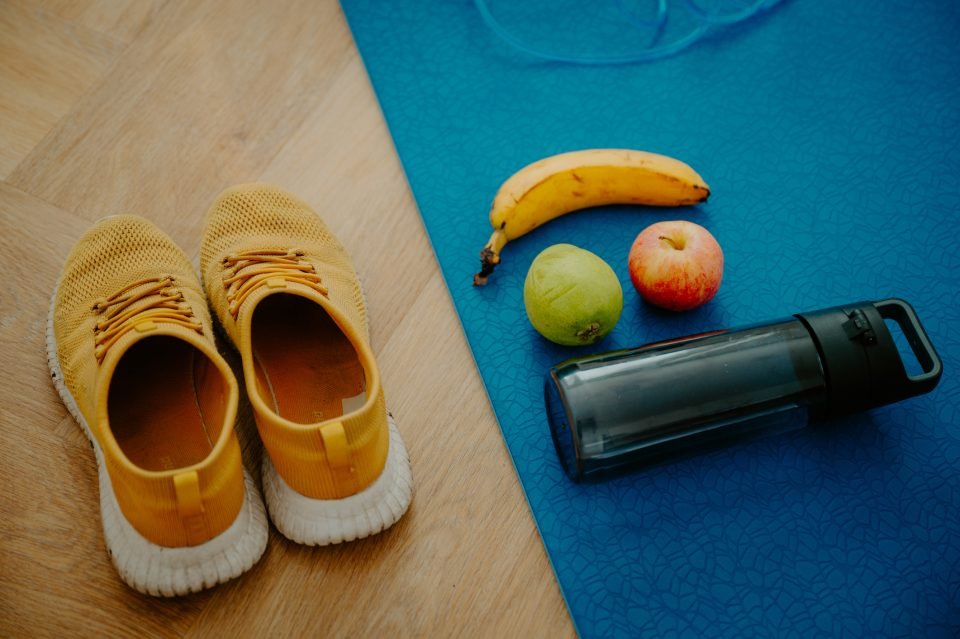
If you find yourself with only 5-10 minutes to prepare, grab a piece of fresh fruit, like an apple or banana.
The focus should be on selecting easily digestible carbohydrates to avoid feeling weighed down during your workout.
During: Take a Break.
Regardless of whether you’re a professional athlete or follow a moderate exercise regimen, it’s vital to maintain hydration by taking small sips of water frequently.
For workouts lasting an hour or less, you typically do not need to eat. However, for extended and rigorous sessions, aim for 30 to 90 grams of carbohydrates per hour from options like low-fat yogurt, raisins, or bananas.
After: Recharge Your Body.
Post-workout, it’s essential to nourish your body with:
- Hydration. Drink water, of course, but feel free to enhance its flavor with slices of lemon, lime, or cucumber. Mixing water with 100% fruit juice, such as orange juice, can provide both hydration and carbohydrates. Additionally, consuming whole foods with high water content—like berries, melons, oranges, grapes, carrots, or lettuce—can offer a hydrating and nutritious snack.
- Electrolytes. Replenish electrolytes through natural food sources such as fruits, leafy greens, fatty fish, low-fat dairy products, nuts, and seeds. While sports drinks, tablets, and powders can aid in this process, be mindful of their often high sugar and caffeine content, which can cause dizziness, lightheadedness, or muscle cramps if not managed well.
- Carbohydrates. Since carbohydrates are the primary energy source for your muscles, they get depleted during exercise. In the 30-60 minutes following your workout, your muscles have the best opportunity to store carbohydrates and protein for energy and recovery. Opt for healthier carbohydrate choices such as whole-grain pasta, bread, or brown rice.
- Protein. Incorporate healthy protein sources including skinless chicken breast, salmon, trout, and lean or low-fat cuts of beef or pork. For vegetarians, options such as beans, peas, lentils, nuts, and seeds are excellent protein-rich alternatives needed for muscle repair and growth.
- Healthy Fats. Integrate foods rich in unsaturated fats—like avocados, fatty fish (such as tuna, salmon, or sardines), and various nuts. When cooking, prefer non-tropical vegetable oils, like canola or sunflower oil, over solid fats like butter or coconut oil. These healthy fats are stored by the body and can enhance energy availability during prolonged exercises.
It’s essential to understand that these tips are general recommendations. Everyone’s digestive system is unique, and individual dietary needs may vary based on exercise type.
Ultimately, find what suits you best. Recognizing that nutrition is just as significant as physical activity is crucial for keeping your body operating at its peak performance.
Discover more about the American Heart Association here.