
A Crucial Narrative Worth Listening To
By Melissa Chaiken | Staff Writer
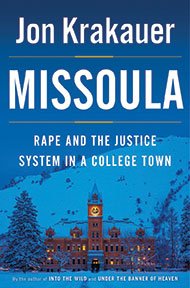
Acclaimed author Jon Krakauer presents a compelling, in-depth account of a troubling series of sexual assaults at the University of Montana, revealing the deeply personal stories that highlight the widespread issue of sexual violence on college campuses.
As the summer days gradually transition toward fall, many individuals brace themselves for the arrival of the much-feared yet eagerly awaited “Back to School” season. Interestingly, some who once looked forward to this time may now feel apprehensive. This shift in perception is particularly true for parents ready to send their young adult children to college dorms, whether just down the street or across the country.
 Such a significant milestone can evoke a whirlwind of emotions and necessitates a reevaluation of the parent-child dynamic. Now free from curfews and direct oversight, these students must navigate their newfound independence, which brings along a host of responsibilities. Parents face an adjustment period as well, balancing their concern for safety with the reality that their young adults are learning to manage various aspects of collegiate life, including finances, chores, and personal relationships.
Among the paramount discussions parents should have with their college-bound children is that of personal safety. This broad category encompasses many considerations, from commuting to campus to socializing in environments where alcohol and drugs may be prevalent, along with exploring sexual identities and living independently for the first time. For many parents, particularly those who prefer to maintain control, these concerns can generate significant anxiety.
A particularly pressing concern on campuses is the disturbing trend of acquaintance rape. In his book, *Missoula: Rape and the Justice System in a College Town*, Krakauer exposes a spate of sexual assaults reported at the University of Montana from January 2008 to May 2012. While focused on a single university, the themes addressed are relevant to institutions nationwide.
Krakauer emphasizes the unique nature of acquaintance rape, noting, “This crime is distinct from others; victims often face greater skepticism than the accused. This is especially true if the victim is sexually active, if alcohol was involved, or if the accused is a well-liked athlete.” He highlights multiple cases involving football players from the revered University of Montana Grizzlies, where victims hesitated to report assaults due to fear of backlash and reputational damage coupled with the social clout held by the athletes. Those who did report often encountered reluctance from authorities, who communicated the challenges of proving rape and the potential for public humiliation.
The takeaway for parents from *Missoula* is the critical need for open conversations with children regarding this issue. The intersection of alcohol use and acquaintance rape necessitates frank discussions about the repercussions of excessive drinking. Krakauer reveals alarming statistics indicating that one in four women in college experiences rape and that a staggering 90% of college rapes are committed by someone the victim knows. As with any violent crime, the psychological toll on victims can be extraordinarily heavy, with estimates suggesting that 50% suffer from post-traumatic stress disorder, eclipsing the rates seen in returning combat veterans. Perpetrators may face legal repercussions, including incarceration and lifelong registration as sex offenders, and families on both sides bear the burden of community scrutiny and emotional distress.
It is imperative that parents educate both their daughters and sons about the realities of acquaintance rape and its profound impact. While *Missoula* documents specific incidents, similar events are occurring across campuses everywhere. With informed dialogue, there’s hope that we can reduce the prevalence of these incidents as we prepare the next generation for college life.
The National Child Traumatic Stress Network offers these prevention strategies against acquaintance rape:
• Seek out environments that foster respect, and distance yourself from those who don’t respect your boundaries.
• Clearly communicate your limits, ensuring others know what you consent to and what you don’t. Remember, you hold the right to change your mind or reject advances at any moment.
• Stand firm against unwanted physical contact. If you feel threatened or uncomfortable, voice your concerns and take action—don’t hesitate to make your discomfort known.
• Limit excessive alcohol consumption or drug use, which can impair judgment and communication. Being under the influence is not a license for someone to exploit you.
• Always prepare your drinks yourself and keep them within your sight to protect against undetectable substances like Rohypnol or GHB, which can lead to dangerous medical conditions.
• Avoid isolating yourself in settings with restricted access to bystanders. While you may feel capable of handling yourself, staying aware is vital.
• Trust your instincts; if something feels off or a situation appears unsafe, do not hesitate to leave.
• Plan for contingencies. Share your plans with a trusted friend, especially if heading to a party in an unfamiliar area, and have a reliable contact available if you need a safe ride home.