By Sandi Schwartz | Contributor
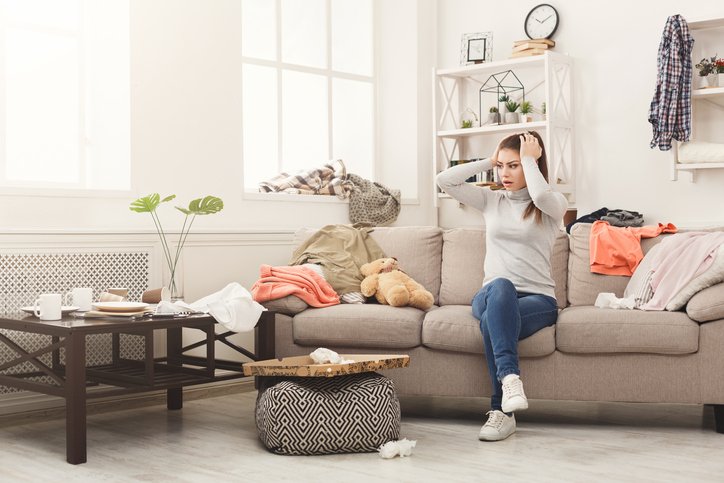
Have you ever found yourself shouting at your children to tidy up their mess? Surprisingly, that disarray may not solely be your personal source of stress; it can be affecting the entire family. Research from UCLA’s Center on Everyday Lives and Families (CELF) indicates a direct link between the volume of clutter in a household and the levels of stress experienced by its members. So, what lies behind this connection, and how can we address it effectively?
The Stress Factors Linked to Clutter
It’s obvious that a home overflowing with items like paperwork, toys, photographs, laundry, and electronics can weigh on us emotionally. However, the reasons behind this feeling are more intricate than one might assume. A disorderly home can evoke feelings such as anxiety, hopelessness, overwhelm, embarrassment, shame, and guilt. For many, the source of stress might go unnoticed, especially if the clutter has become a permanent fixture in their surroundings.
Anxiety stemming from clutter can amplify stress-related challenges in other areas, including disrupted sleep patterns and issues within relationships.
Clutter contributes to stress due to several factors:
- It bombards our mind and overwhelms our senses.
- It serves as a continual distraction.
- It perpetually reminds our brains of unfinished tasks.
- It hinders our ability to relax both mentally and physically.
- It incites feelings of guilt and humiliation when hosting guests, leading to worries about being judged.
- It frustrates us when we struggle to locate items; research suggests that Americans collectively waste around 9 million hours daily searching for lost belongings, with 23% admitting to late bill payments due to misplaced items.
- It hampers creativity and efficiency, as a cluttered space diverts focus. Research from the Princeton University Neuroscience Institute found that individuals in messy environments are often less productive.
The repercussions of feeling anxious about clutter can extend into other stress-related concerns, with potential consequences for family dynamics and punctuality—impacting everything from school runs to job efficiency and financial responsibilities.
According to a study by UCLA’s CELF, American families are frequently overwhelmed by clutter. Observations of 32 households revealed that a chaotic living space can subtly sustain a constant level of stress, undermining mood and self-esteem, particularly among women, who appeared more affected. The study noted elevated stress hormone levels in mothers engaged in organizing attempts.
The Benefits of Decluttering
A buildup of belongings in your spaces can project negative energy throughout the environment—instilling feelings of chaos, confusion, and disorder that contribute to stress.
Clearing out the clutter can significantly drop stress levels, fostering a more positive atmosphere conducive to a happier and healthier lifestyle.
Joyce Marter, a Licensed Clinical Professional Counselor and the Founder of Urban Balance, explains, “Our surroundings mirror our internal mental state. A disorganized home can parallel a scattered mind. Organizing one’s home fosters tranquility and overall wellness.” She advocates purging unnecessary items to streamline life. An organized space equates to less clutter management, resulting in reduced stress.
Angela Betancourt, a professional organizer, has recorded firsthand the mental health improvements her clients gain from decluttering. They typically report lower anxiety levels, greater inner peace, enhanced self-esteem, and even better health habits such as improved sleep. Essentially, reducing clutter paves the way for clearer thinking, more effective task completion, and calmer rest.
Moreover, maintaining a clutter-free home boosts confidence when inviting guests over, alleviating worries about judgment and shame.
Strategies for Organizing
Beginning the decluttering process can feel daunting, especially with considerable amounts of belongings. The emotional weight of letting go can lead to stress, but overcoming this can ultimately lead to significant reductions in anxiety. Remember, this endeavor is for the betterment of your home environment and mental health!
Your objective should be to simplify your surroundings by eliminating items that are no longer needed or that do not contribute to your happiness. Numerous resources—websites, articles, books, professional organizers, and stores—offer invaluable tips for decluttering. Choose the methods that resonate best with your family while avoiding overwhelm.
Here are several practical organizing strategies to kick off your journey:
Make it a Family Affair. There’s no reason to handle clutter cleanup alone. Involve the whole family and incorporate some fun—play music while sorting, order pizza, or create a friendly competition for the best-organized room. This experience can impart valuable organizational skills and foster a sense of achievement in your kids.
Set a Timeline. Putting decluttering on your calendar can prevent it from becoming an overwhelming task. Establish a routine, like decluttering every first Sunday of the month or prior to holidays. Natural points for purging include the start of the school year or during spring break.
Discourage Junk at the Entryway. When returning home from events with party favors, make it a habit to immediately discard items you don’t want. This principle also applies to mail; recycling unwanted correspondences right away can help prevent clutter buildup.
Return Items to Their Place. Minimize cleanup time by putting things back where they belong immediately after using them.
Use Organizational Tools. Keep it straightforward: use file folders for important documents, prioritize urgent tasks in a “To Do” basket, and use containers for loose photographs and kids’ crafts.
Lastly, consider following this popular sorting approach widely recommended by experts:
- Keep. These items are essential and bring joy.
- Sell. These are items you might sell online or at a garage sale.
- Donate. Your discarded items could benefit someone else; consider donating them to local charities.
- Trash. This category includes items that are too damaged to be sold or donated. Aim to recycle what you can.
- Store. If undecided, box the item and set a date to revisit it in six months. Store it in an attic, closet, or garage to keep it out of immediate sight.
For additional insights, visit our article on Rodrigosaffiliates.com titled Clearing the Clutter.