By Justin Todd, co-founder of AddictionResource.net | Guest Contributor
The usage of nicotine pouches among high school students in the U.S. has seen a nearly twofold increase from 2023 to 2024. This alarming trend poses significant health risks, including addiction, impairment of brain development, oral irritation, and other health issues.
The rising rate of nicotine pouch addiction among teenagers presents a pressing public health concern that requires urgent action. A study conducted by USC’s Keck School of Medicine indicates that in 2024, 5.4 percent of high school students reported using nicotine pouches, a jump from three percent in 2023. This increase is likely influenced by the emergence of social media “Zynfluencers,” who market these products by linking them to enhanced cognitive function, self-esteem, and masculinity, thus transforming harmful nicotine products into effective marketing success stories that evade tobacco advertising restrictions.
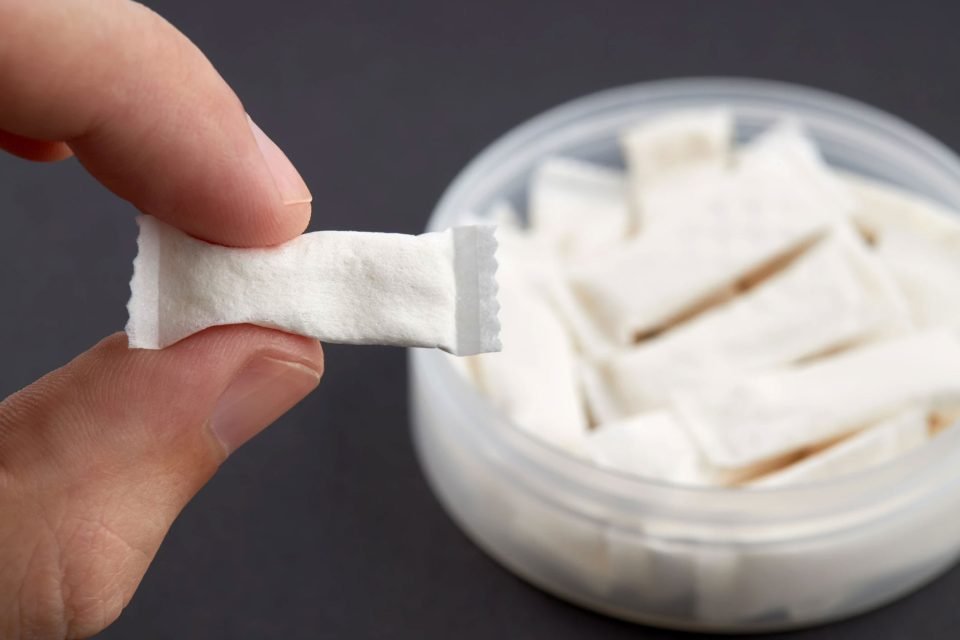
Nicotine pouches, which are small fabric sachets filled with nicotine powder, flavors, and other ingredients, can be placed between the lip and gum. Unlike other forms of nicotine consumption, they do not require spitting and dissolve entirely in the mouth, allowing nicotine to be absorbed through the mucous membranes. These pouches come in flavors ranging from cinnamon and citrus to mint and coffee, and they are produced by major tobacco companies, marketed as “tobacco-free” alternatives. However, they deliver nicotine at concentrations comparable to traditional tobacco products.
Statistics on Teen Nicotine Pouch Usage
Findings from the “Monitoring the Future” study, which analyzed data from over 10,000 high school students nationwide, depict a concerning rise in nicotine pouch usage. While e-cigarette use decreased from 20 percent in 2023 to 17.6 percent in 2024, nicotine pouch consumption surged by 80 percent. Indicators of past 30-day and past 12-month usage reveal that these products are not merely experimental; many teens are integrating them into their regular routines.
There is a troubling increase in concurrent use of e-cigarettes and nicotine pouches, which rose from 2.1 percent in 2023 to 3.6 percent in 2024. This 71 percent uptick suggests many teenagers are incorporating nicotine pouches into their existing vaping habits, further escalating their overall nicotine consumption and risk of addiction. The highest usage rates have been observed among male students, non-Hispanic white teens, and those residing in rural areas. By 2024, 1.8 percent of middle and high school students reported using nicotine pouches, in contrast to only 2.9 percent of adults who acknowledged ever using these products, with just 0.4 percent reporting current use.
The Adverse Health Effects of Nicotine Pouches
The ramifications of nicotine pouch usage encompass various aspects of physical, mental, and emotional health. Immediate physical effects may include sores in the mouth, gum irritation, and damage to oral tissues resulting from nicotine contact with sensitive mouth areas. High concentrations of nicotine can adversely affect cardiovascular health by raising heart rate and blood pressure.
Long-term health risks are still largely unknown, as nicotine pouches have only been available since 2016. Nonetheless, researchers express concerns regarding potential cancer risks, decline in oral health, and other hazards associated with prolonged nicotine exposure. Unlike FDA-approved nicotine replacement therapies, which are aimed at helping individuals quit smoking, nicotine pouches are not recognized as smoking cessation tools, presenting risks even for those who have never smoked.
Understanding Nicotine Addiction
Nicotine is a profoundly addictive substance that can lead to dependency very quickly, particularly in young individuals. This quick pathway to addiction poses a significant danger with nicotine pouches, as their discreet nature allows for easy concealment compared to cigarettes, which require lighting, or vaping that produces visible vapor and associated smells. Studies indicate that adolescents utilizing nicotine products are at an increased risk of becoming addicted to other substances.
Adverse Effects on Brain Development in Young Adults
The brains of adolescents continue to mature until around age 25. During this critical developmental stage, nicotine use can alter brain structure, with effects that may last long after cessation. The prefrontal cortex, which governs decision-making, impulse control, and executive functions, is particularly vulnerable to changes induced by nicotine. Young adults utilizing nicotine pouches may experience cognitive impairments, which can hinder their performance in educational or occupational settings.
Impact on Attention, Learning, Mood, and Impulse Control in Adolescents
Nicotine usage in adolescence can detrimentally affect areas of the brain responsible for attention, learning, emotional regulation, and impulse control. Attention issues may present as difficulties in concentration, challenges in following instructions, and an inability to maintain focus for prolonged periods. Additionally, research suggests a diminished capacity for learning and memory acquisition among youth who engage with nicotine, hindering their ability to absorb new information effectively. Increased irritability, anxiety, and depressive symptoms are also common in nicotine-using teens, potentially persisting beyond their quitting.
The Influence of Flavors and Social Media Marketing
Flavored nicotine pouches serve as a strategic tactic by the tobacco industry to mask the harsh taste of nicotine with appealing flavors such as bubble gum, cotton candy, and assorted fruits. The World Health Organization (WHO) has labeled such flavors as “youth-friendly bait,” transforming harmful products into seemingly innocuous items and potentially increasing the likelihood of addiction.
Moreover, social media has emerged as a primary marketing tool for nicotine pouches, with young influencers, or “Zynfluencers,” promoting the products by associating them with boosted confidence, cognitive clarity, and elevated social standing. Sales figures underscore the success of this strategy, with nicotine pouch sales soaring from 126 million in 2019 to 808 million by March 2022.
Addressing Teen Nicotine Pouch Addiction
The escalating crisis of teenage nicotine pouch addiction necessitates a concerted response from parents, educators, healthcare professionals, and lawmakers. Below are some preventative strategies that could be effective:
- Parents, educators, and pediatric healthcare providers should recognize signs of nicotine pouch usage, such as small white pouches, unusual oral behaviors, mouth sores, and mood fluctuations.
- Families should hold open discussions regarding nicotine products, emphasizing the notion that “tobacco-free” does not equate to “risk-free.”
- Schools ought to revise their anti-smoking educational programs to include information about nicotine pouches, their marketing techniques, and associated health risks.
- Teens need to be educated on influencer marketing strategies and how companies leverage social media to promote addictive products.
- Healthcare professionals must be trained to identify nicotine pouches and understand their health implications and support resources for cessation.
A holistic approach, combining these strategies, is essential for addressing the unique challenges posed by nicotine pouches, acknowledging that they necessitate a different strategy compared to past initiatives aimed at reducing tobacco use.
Assisting Teens Struggling with Nicotine Pouch Addiction
When parents find out that their teen is using nicotine pouches, it is critical to understand the reasons for their usage rather than resorting to immediate punishment. Teens are more inclined to be honest and seek assistance when they do not fear severe repercussions. Parents should equip themselves with knowledge about nicotine addiction and recognize that their child may be confronting a chemical dependency that could require professional intervention.
Healthcare providers can evaluate the severity of the addiction, offer evidence-based cessation strategies, and closely monitor the teen for withdrawal symptoms. The FDA has sanctioned various medications aimed at aiding smoking cessation; while these are not specifically approved for nicotine pouch addiction, a healthcare provider can determine the appropriateness of such treatments. Coupling these interventions with counseling may considerably enhance the likelihood of quitting.
For further details and complimentary resources for individuals grappling with addiction and mental health challenges, please visit AddictionResource.net.
Editor’s Note: This content is not intended to replace professional medical advice, diagnosis, or treatment, and does not serve as medical or professional guidance.