
By Family Features| Contributor
For numerous individuals, the heart maintains a steady rhythm, contracting and relaxing in a natural cadence. In contrast, those suffering from atrial fibrillation (AFib) endure a chaotic or irregular heartbeat that may result in serious health complications such as stroke, heart attack, heart failure, or sudden cardiac arrest.
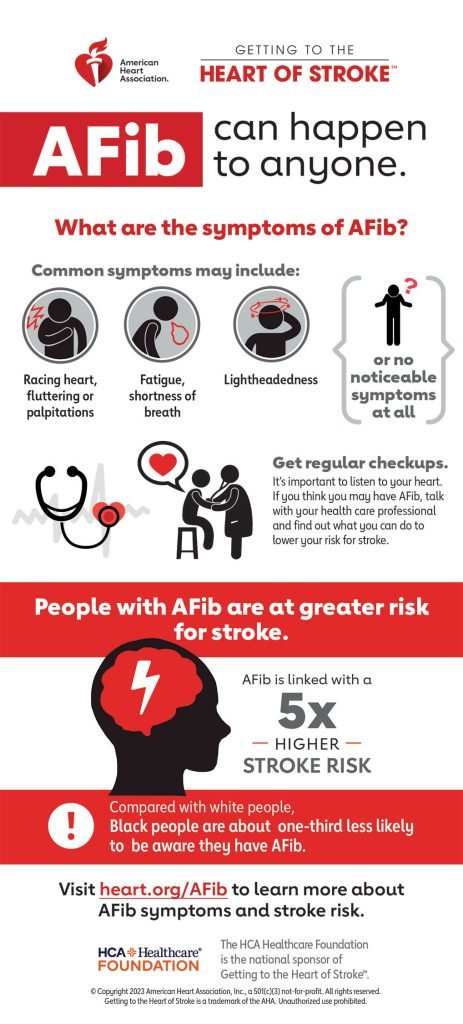
Indeed, individuals with AFib carry a stroke risk that is heightened by up to five times, yet a significant number remain unaware of the seriousness of this condition. Effectively managing your AFib is crucial in minimizing the risk of stroke.
The American Heart Association’s Getting to the Heart of Stroke initiative, backed by the HCA Healthcare Foundation, provides essential insights into understanding potential stroke risks.
Symptoms
While some individuals with AFib may not exhibit symptoms, those who do can experience a rapid heart rate or irregular heartbeat. Common signs also include sensations of heart fluttering, lightheadedness, chest discomfort or pressure, shortness of breath—particularly when lying down—and fatigue.
During episodes of AFib, blood may not be effectively circulated from the atria (the two upper chambers of the heart) to the ventricles. This stagnant blood can accumulate in the atria, forming clots that pose a risk of blocking blood flow to the brain, potentially causing a stroke.
Risk Factors
AFib can affect anyone. The risk factors for AFib are categorized into two groups: those related to heart health and behavioral aspects. Health-related risks include increasing age (notably over 65), a family history of AFib, high blood pressure, previous heart disease or attacks, diabetes, sleep apnea, and past heart surgeries. Behavioral risks include heavy alcohol consumption, smoking, and extensive physical training (while maintaining appropriate activity levels is vital for health, it’s advisable to discuss your exercise regimen with a healthcare provider).
“Identifying and addressing AFib early is vital for preventing stroke, particularly among high-risk populations facing healthcare disparities or challenges in accessing necessary medical resources,” stated Steven Manoukian, MD, FAHA, senior vice president at HCA Healthcare. “Notably prevalent risk factors, such as high blood pressure, often go undiagnosed in Black communities despite a higher likelihood of AFib. Raising awareness about AFib, its associated stroke risks, and treatment options can be a crucial step toward prevention.”
Treatment Options
If you suspect that you might have symptoms associated with AFib or if you’re at risk, consulting your physician is key. Diagnosing AFib involves a comprehensive evaluation by a healthcare professional. Collaborate with your doctor to develop a treatment strategy that aligns with your health goals and aims to mitigate your stroke risk.
AFib treatments may encompass medications to avert and manage blood clots or regulate heart rates and rhythms, alongside possible surgical procedures. Your physician may recommend additional medications to help prevent strokes associated with clots. Engage with your doctor to explore the best treatment tailored to your needs through a shared decision-making process.
For further information on managing your AFib and connecting with a supportive community, visit MyAFibExperience.org.
Photo courtesy of Getty Images (doctor and patient)
Editor’s Note: This content is not meant to replace professional medical advice, diagnosis, or treatment, and does not constitute medical or professional guidance.